The profile · Actor
Ariana Greenblatt
Ariana Greenblatt has acted opposite imaginary creatures, learned to carry scenes across a language barrier, and stepped into very different worlds in Barbie and Ahsoka. Behind those credits is a young performer who keeps returning to family.

- Early television
- Daphne in Stuck in the Middle[1]
- Family background
- Jewish and Puerto Rican[1]
The person behind the work
Growing up around stories—and around family
In a 2024 People cover interview, Ariana Greenblatt described a close family that traveled with her and helped keep daily life grounded. Her growing film career still left her turning to parents and an older brother for support.[1]
That family account is a useful companion to the screen credits. A young performer may be working in an adult industry while still needing familiar people, school routines, and room to grow. The interview describes that support without making her career the only thing about her.
Her best-known roles also ask viewers to remember the difference between the story’s scale and the actor’s task. A scene may include a dinosaur, a distant planet, or a famous doll, but the performance still needs a clear feeling. Curiosity, fear, annoyance, and affection have to be believable before the visual effects can do much with them.
A career in range
Selected work, at a glance
2018
Avengers: Infinity War
Young Gamora
A brief scene asks a child performer to make an enormous fantasy feel personal.[2]
2020
Love and Monsters
Minnow
Another adventure built around responding to creatures the audience sees later.[2]
2023
Ahsoka
Young Ahsoka Tano
A younger version of an established character adds another performance challenge.[1]
A young performer’s toolkit
Learning to communicate without familiar words
In 65, Greenblatt plays Koa, a young survivor who cannot speak the same language as Adam Driver’s character, Mills. The filmmakers told /Film that she learned dialogue in English and then in the invented language used for the film. It is a practical detail that changes how a viewer sees the performance: the character’s confusion is planned and rehearsed, not simply improvised silence.[3]
In her Looper interview, Greenblatt discussed working with Driver and the demands of making the film’s imagined dangers feel real. The setup depends heavily on the two survivors learning to read each other. When familiar words are unavailable, a look, a pause, or a change in distance has to carry the exchange.[2]
Barbie uses a different kind of energy. Sasha’s skepticism challenges the fantasy around her; the humor comes partly from someone saying what the colorful world does not want to hear. Placing that beside Koa gives a useful view of Greenblatt’s range: one role struggles to be understood, while the other makes a point with force and precision.[1]
A closer look
Three ways into the work
Watch the listening in 65
The scenes between Koa and Mills work through misread signals as well as danger. Notice when Koa trusts a gesture and when she refuses it. That can be more revealing than counting the creatures.[3]
Look at the timing in Barbie
Sasha’s directness interrupts a world used to being admired. Watch how a straight delivery can make a scene funny without a character trying to tell a joke. It is a useful contrast with Koa’s quieter communication.
Try a comedy before the large film roles
Stuck in the Middle offers an earlier view of Greenblatt in a busy family ensemble. Watch how a younger performer makes a reaction readable when many characters share the scene. Timing is learned in small exchanges as well as dramatic close-ups.
Belonging and background
Family roots
People’s 2024 profile describes Greenblatt as Jewish and Puerto Rican. It gives more detail about family closeness than religious practice. Those roots can be recognized without adding a label for how she worships.[1]
Listen to the person
In their own words
August 2024
“I wouldn’t be who I was if I wasn’t close with my family”
Famous Faith’s Christian perspective
Beyond the Spotlight
Greenblatt’s comments about family point toward a familiar human need: being known by people who care about us. Work and attention can fill a calendar while leaving that need untouched. Christianity speaks about belonging through the God who made us, knows us fully, and loves us before we have anything impressive to offer.
Being known also means being honest about wrong. The Bible calls sin a breaking of God’s law (1 John 3:4). The Ten Commandments forbid lying, stealing, adultery, and coveting, while calling us to honor God and our parents. They give us a clearer measure than comparison with someone worse. Jesus warned about judgment and hell; the point is serious enough to discuss gently, with care for every listener.
The gospel is that Jesus Christ, God’s Son, lived without sin, died on the cross for our sins, and rose bodily from the dead. Through faith in him, God offers forgiveness as a gift of grace. It is not something we earn by having the right image, the right family, or a perfect past (John 3:16–18; Ephesians 2:8–9).
Repentance means turning away from sin and rebellion and toward God, with a changed mind and heart. It is learning to trust who he is and the love he has shown us through Jesus. That change normally affects how we live, though nobody grows all at once. A reader can bring doubts, shame, and honest questions to Jesus and trust him. His invitation offers mercy and a lasting belonging, while teaching forgiven people to love others well.
This section shares Famous Faith’s Christian beliefs. It does not speak for Ariana Greenblatt.
People connected to the story
Follow the connections
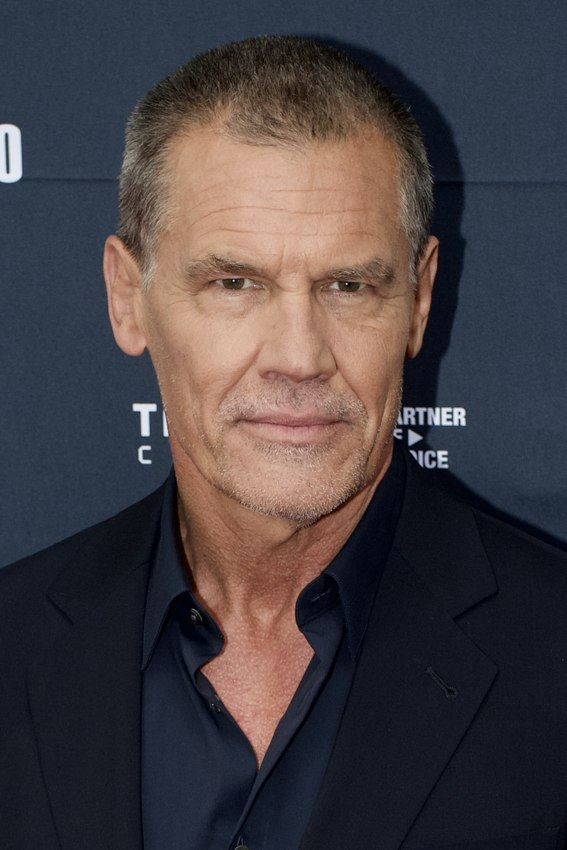
Josh Brolin
Greenblatt’s young Gamora appears with Brolin’s Thanos in Infinity War. Their scene is built around a child’s perspective within a much larger conflict.[2]
Read the profile →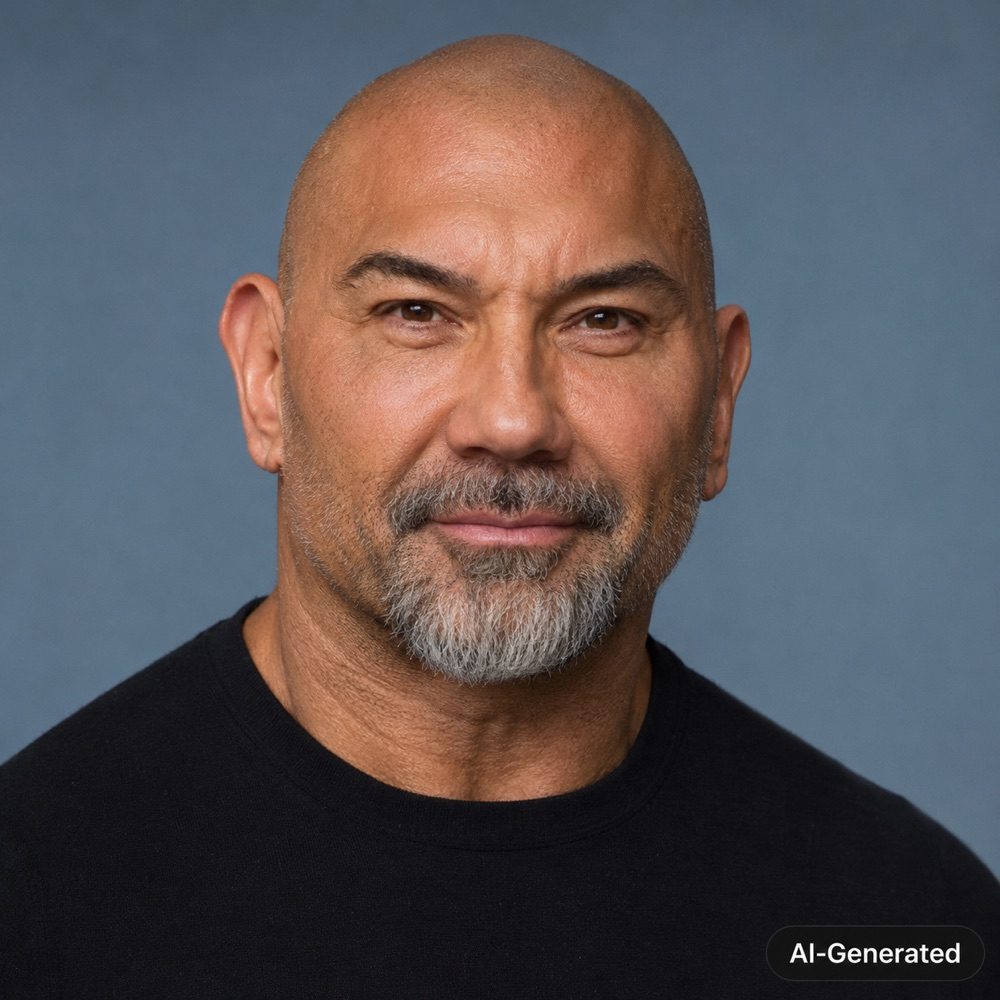
Dave Bautista
Both appear in Infinity War, with very different roles in its ensemble. Bautista’s profile follows another career built on learning new screen skills.
Read the profile →
Elizabeth Olsen
Their credits meet in Infinity War. Olsen’s path from independent drama to large productions offers another way to explore an actor’s range.
Read the profile →Watch in context
On the response to Barbie
Published by AP Archive. Watch on YouTube ↗
Sources and further reading
- People / AOL — Ariana Greenblatt cover interview (2024)
- Looper — Ariana Greenblatt interview about 65 (2023)
- /Film — The filmmakers on Greenblatt’s dialogue preparation (2023)
Artwork: Original AI-generated portrait of Ariana Greenblatt, created for Famous Faith; not a photograph. The other AI-generated portraits shown here were also created for Famous Faith. No endorsement is implied.
Photograph: Josh Brolin by Max Surprenant, via Wikimedia Commons, CC BY 4.0. Cropped to a square card for display.

Film and book titles identify the works discussed. A career credit is not a recommendation that every reader watch or read that work.